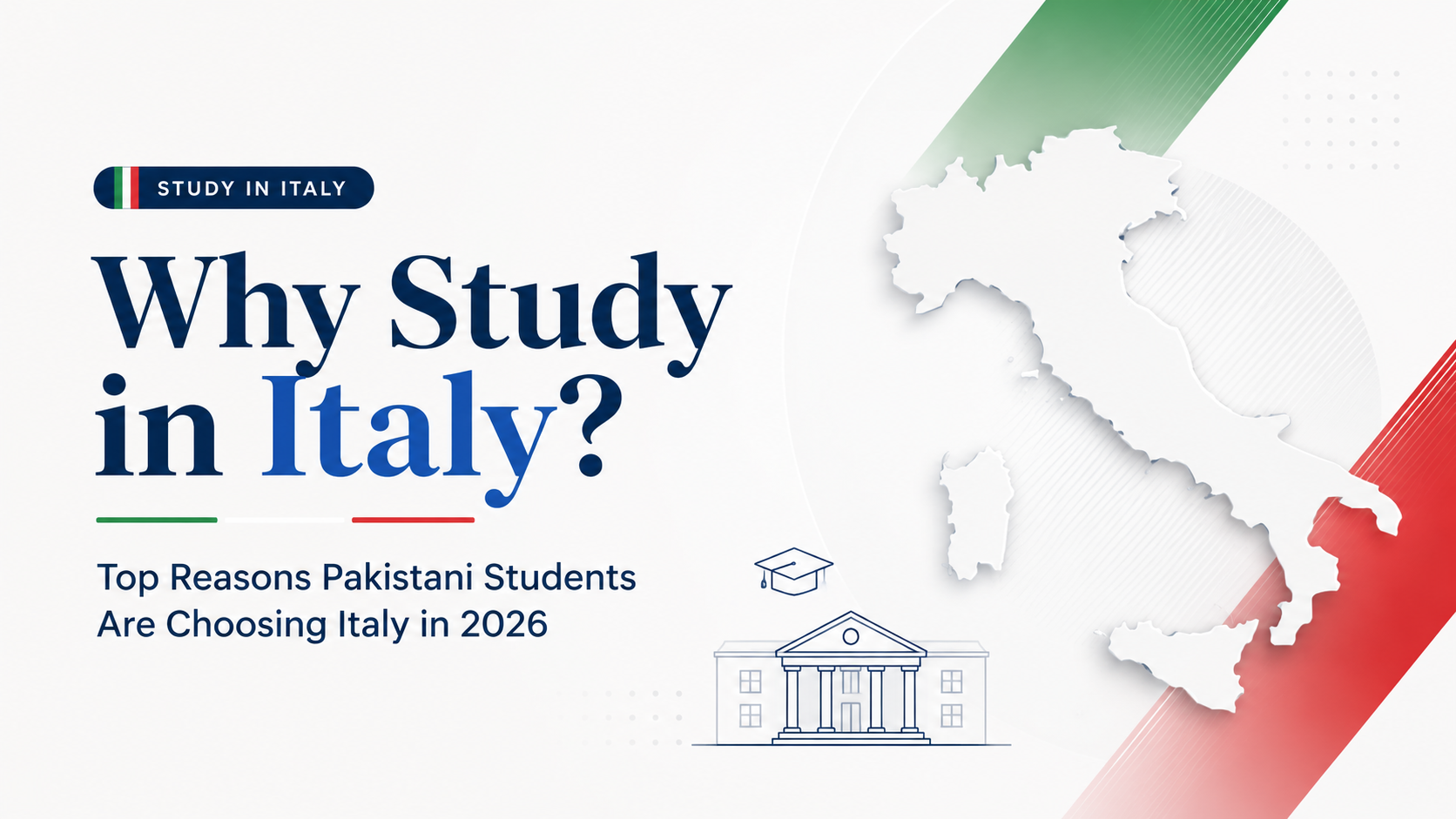
Study in Italy for Pakistani Students is becoming one of the most attractive study abroad options in 2026. Every year, more Pakistani students are turning away from the traditional UK, US, and Australia route and looking toward continental Europe instead. Italy has quietly become one of the biggest winners of that shift. Between the country’s historic universities, income-based tuition system, generous government scholarships, and a genuine path to staying and working after graduation, Italy in 2026 offers a mix of affordability and prestige that is hard to match anywhere else in Europe.
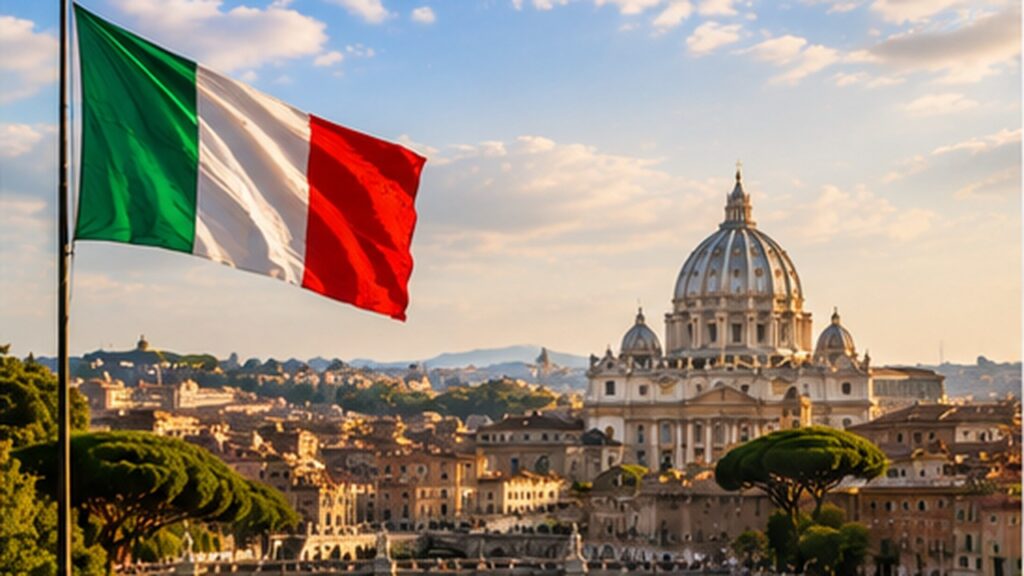
If you are a Pakistani student weighing your study abroad options for 2026, here is a complete, honest look at why Italy deserves a serious place on your shortlist.
1. World Class Education With Centuries of Academic
Heritage
Italy is not just affordable. It is academically serious, too. This is one of the biggest reasons why Study in Italy for Pakistani Students continues to grow every year. The University of Bologna, founded in 1088, is widely recognized as the oldest university in the world, and it still ranks among Europe’s top institutions today. Alongside it sit globally respected names like Sapienza University of Rome, Politecnico di Milano, Politecnico di Torino, the University of Padua, and the University of Pisa. All of these regularly appear in international university rankings and are known for strong research output, especially in engineering, architecture, design, business, and the sciences.
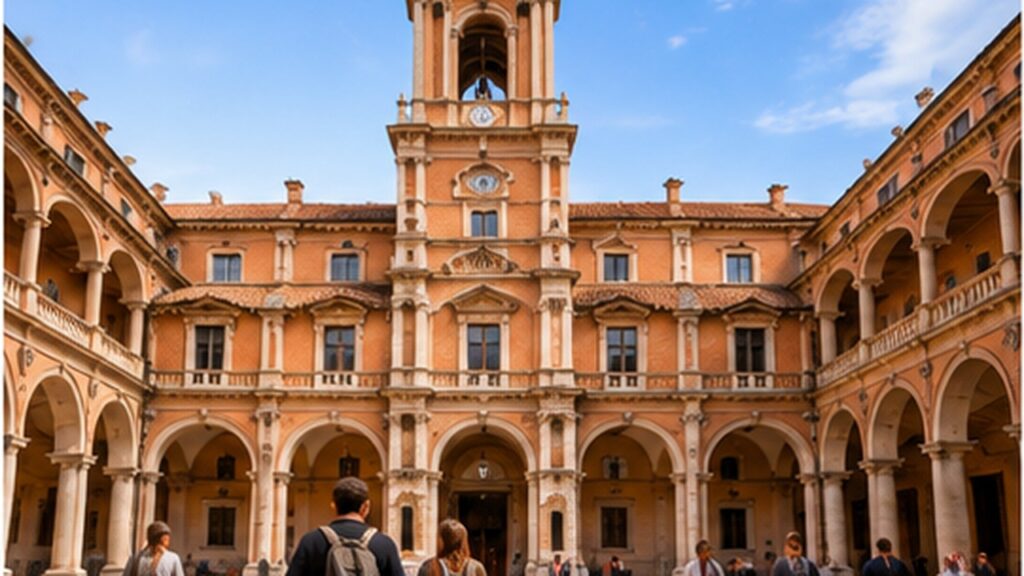
For Pakistani students, this matters for two practical reasons: degrees from these universities carry real international recognition, and many programs are taught entirely in English, so you do not need to master Italian before you can start your degree.
2. Genuinely Affordable Tuition, Especially at Public
Universities
This is where Italy pulls far ahead of the UK, US, Canada, or Australia. Public university tuition in Italy is not fixed. It is calculated against your family’s financial situation using the ISEE Parificato system, a means-tested assessment designed specifically for international students.
In practice, this means:
- Students from lower income brackets can pay very little tuition, sometimes just a few hundred euros a year in regional taxes.
- Most students in higher income brackets fall into a range of roughly €1,000 to €4,000 per year at public universities.
- English-taught programs may sit slightly higher, and private universities charge considerably more.
Compare that to average annual tuition of £15,000 to £25,000 in the UK or $20,000 or more in the US, and it is easy to see why Italy has become a preferred option for Pakistani families looking for a European degree without European-level debt. Affordable tuition is one of the strongest advantages for Pakistani Students to study in Italy compared to other popular destinations.
3. Realistic Living Costs, With Room to Choose Your Budget
Living expenses in Italy depend heavily on the city. Milan and Rome are the priciest, while university towns like Bologna, Padua, Turin, and Pisa offer a noticeably lower cost of living without compromising on academic quality or student life. On average, students should budget somewhere between €9,000 and €14,000 per year for accommodation, food, transport, and daily expenses. Choosing a smaller university city can meaningfully bring that number down.
4. Some of Europe’s Most Generous Scholarships for
Pakistani Students
Scholarships are arguably Italy’s biggest hidden advantage, and most Pakistani applicants do not realize how many funding routes are actually open to them.

MAECI Scholarship (Italian Government Scholarship)
Funded by the Italian Ministry of Foreign Affairs and International Cooperation, this is a fully funded award covering tuition and enrollment fee waivers, health and accident insurance, and a monthly stipend for master’s, PhD, research, and Italian language and culture programs. Age limits typically apply. Applicants are generally expected to be under 28 for master’s programs, under 30 for PhD programs, and under 40 for research programs. The application is submitted entirely online through the official Study in Italy portal, usually opening in spring with a deadline around mid-June for the following academic year.
DSU Regional Scholarships
The Diritto allo Studio Universitario system is administered region by region and is arguably the most valuable award for Pakistani students because eligibility is based almost entirely on financial need rather than academic merit or work experience. A full DSU award can cover tuition, accommodation, and a meal allowance, effectively funding the entire cost of studying in Italy for eligible students. The trade-off is that recipients must keep pace with a minimum number of course credits each year to keep the scholarship.
Scholarships make study in Italy possible for Pakistani students, even for families with limited financial resources
University-Specific Scholarships
Many individual universities, including Bologna, Padua, and Politecnico di Milano, run their own merit- or need-based scholarships on top of national and regional funding. Applying to more than one funding stream at once is a practical way to maximize your chances.
5. No Blocked Bank Account, But a Higher Financial Requirement in 2026
One advantage Italy holds over Germany is that it does not require a blocked account deposit. Pakistani applicants should note an important update for 2026, though: Italy has raised its student visa financial requirement to approximately €10,179.85 per year (roughly PKR 3.2 million, depending on the exchange rate) for the 2026–27 and 2027–28 academic years. This is a significant jump from the previously quoted figure of around €6,000. It can be demonstrated through a personal bank statement, a sponsor’s financial guarantee, or a confirmed scholarship award letter such as MAECI or DSU. Because this requirement has changed recently, students should always confirm the current figure through the Universitaly portal or their nearest Italian consulate before finalizing their financial documents.
6. A Clear, Structured Visa and Admission Process
Unlike some destinations where the process feels scattered across multiple portals and offices, Italy’s pathway for Pakistani students follows a predictable sequence.
- Choose your university and program, then apply through the relevant university portal.
- Once admitted, complete pre-enrollment through the official Universitaly portal.
- Complete qualification verification, either through a Declaration of Value issued by the Italian Embassy or Consulate, or the increasingly popular CIMEA Statement of Comparability, which confirms your Pakistani qualifications are comparable to the Italian system.
- Apply for scholarships where applicable.
- Apply for your National Type D Student Visa, required for any program lasting more than ninety days.
Since document attestation and qualification verification can take several weeks, this process is best started alongside your university applications rather than after you have already been admitted. Most advisors recommend beginning preparations eight to ten months before your intended intake to avoid last-minute pressure. Understanding the admission and visa process is an important part of study in Italy.
7. The Right to Work While You Study
International students holding a valid study residence permit can work up to 20 hours per week during the academic term, and full-time during semester breaks. This is enough to meaningfully offset your living costs while gaining local work experience, which also strengthens your CV if you plan to stay in Italy after graduation.
8. A Real Path to Stay in Italy After Graduation
This is where Italy quietly beats many of its European competitors. After completing a recognized bachelor’s, master’s, or PhD from an Italian university, non-EU graduates, including Pakistanis, can apply for the Permesso di Soggiorno per Attesa Occupazione, a 12-month job-seeker residence permit that allows you to remain in Italy to search for employment or start a business, without being tied to annual work permit quotas.
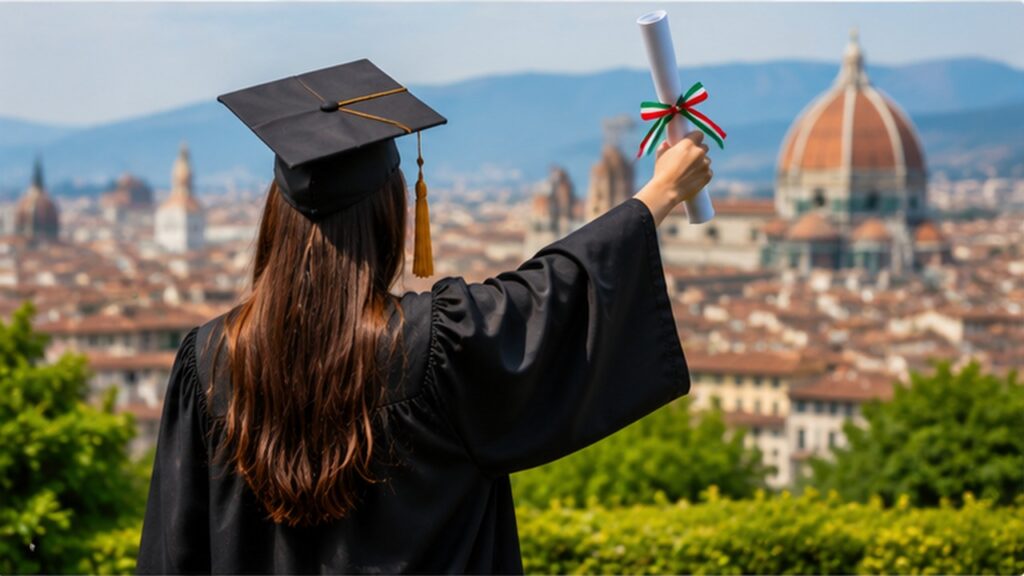
If you secure a job before your student permit expires, you can convert directly into a work permit. From there, the long-term path looks like this: student permit, then job-seeker permit, then work permit, then EU Long-Term Residence Permit after five years of continuous legal stay. Graduates in STEM, engineering, business, and healthcare fields tend to find this transition smoother, and those securing highly skilled roles may also qualify for the EU Blue Card, which offers faster access to long-term residency and easier family reunification. Many students choose to study in Italy because of the clear pathway to employment after graduation.
9. An Unmatched Cultural and Student Life Experience
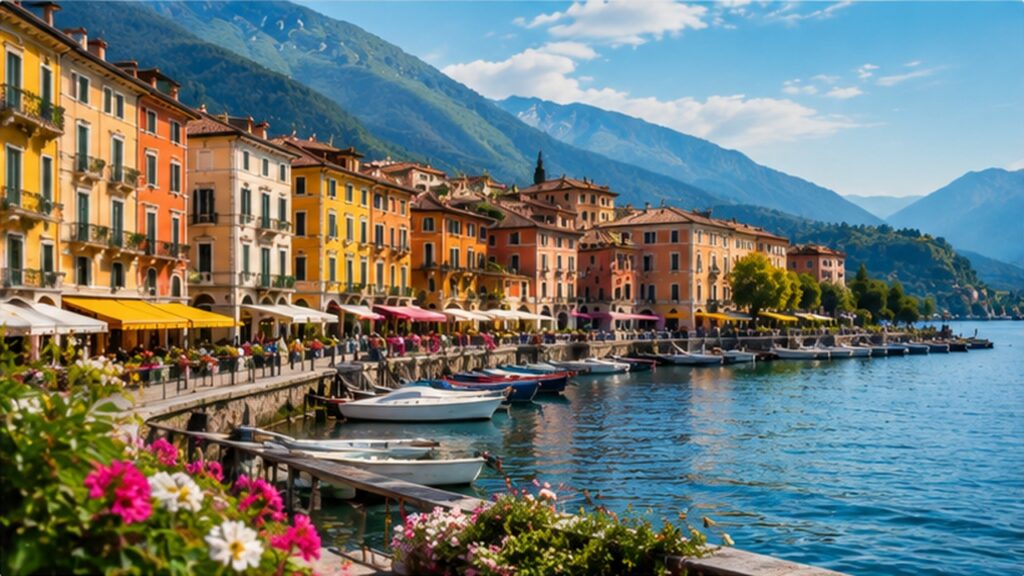
Beyond the classroom, Italy offers something few countries can: a lifestyle built around art, food, history, and community. Studying in cities like Bologna, Florence, Padua, or Turin means being surrounded by centuries-old architecture, world-renowned cuisine, and a lively, walkable student culture, all while still being a short train ride from major European capitals. For Pakistani students, this also means joining an increasingly large and supportive South Asian student community across Italian university towns, which makes the adjustment to life abroad considerably easier.
10. Access to the Wider Schengen Area
An Italian student visa does not just open the door to Italy. It gives you visa-free access to the entire Schengen area, making it easy to travel and explore other parts of Europe throughout your studies without applying for additional visas.
Why Study in Italy for Pakistani Students Makes Sense in 2026
Put all of this together: income-based tuition, some of Europe’s most accessible scholarships, the right to work part-time, a real post-study stay-back option, and internationally recognized degrees. Italy has become one of the smartest study abroad decisions a Pakistani student can make in 2026, offering European academic prestige without the price tag typically attached to it, plus a practical runway into the local job market after graduation.
Frequently Asked Questions
Is Italy a good study destination for Pakistani students?
Yes. Italy combines internationally recognized universities, income-based tuition at public institutions, widely available English-taught programs, strong scholarship opportunities, and a structured post-graduation stay-back option, making it one of the most balanced study destinations in Europe.
What is the updated financial requirement for an Italian student visa in 2026?
For the 2026–27 and 2027–28 academic years, applicants must generally show financial resources of approximately €10,179.85 per year. This can be met through personal funds, a sponsor’s guarantee, or a confirmed scholarship award. Always verify the current figure with the Universitaly portal or your nearest Italian consulate, since requirements can change.
Are scholarships available for Pakistani students in Italy?
Yes. Pakistani students can apply for the fully funded MAECI government scholarship, regional DSU scholarships based on financial need, and individual university scholarships, often simultaneously, to maximize their chances of funding.
Can Pakistani students work while studying in Italy?
Yes. Students holding a valid study residence permit can work up to 20 hours per week during term time and full-time during academic breaks.
Can students stay in Italy after graduation?
Yes. Graduates of recognized Italian degree programs can apply for a 12-month job-seeker residence permit to search for employment or start a business, with the option to convert to a work permit once employed, and eventually qualify for long-term EU residency.
Do students need to know Italian before applying?
Not necessarily. Many Italian universities offer bachelor’s, master’s, and doctoral programs entirely in English, so prior knowledge of Italian is not required for admission, though learning some Italian will help with daily life and part-time work opportunities.
Start Your Study Abroad Journey with AccessFuture
Planning to study in Italy involves far more than submitting a university application. It means choosing the right program, preparing a strong financial and academic file, navigating the Universitaly pre-enrollment process, applying for scholarships, and getting your student visa approved without delays.
At AccessFuture, we guide Pakistani students through every stage of this journey, from shortlisting universities and preparing competitive applications to securing scholarships and finalizing visa documentation with confidence.
If you are planning to study in Italy in 2026, get in touch with AccessFuture today and take the first step toward building your academic and professional future in one of Europe’s most rewarding study destinations.